Strong leadership impacts every corner of the educational experience, from classroom instruction to district-wide policy. Through innovation, strategic policymaking, and deep community engagement, experienced leaders drive shifts that benefit students, educators, and broader communities alike. Their vision often shapes state and national educational landscapes, ensuring growth and sustainability amid change.
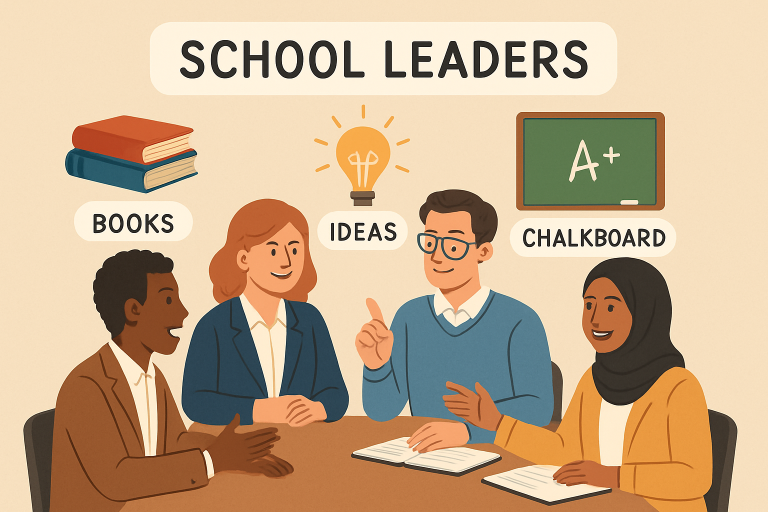
As education systems evolve, the wisdom of experienced leaders is more critical than ever. Whether improving curriculum standards, advancing equity initiatives, or navigating through challenges such as budget crises, these individuals have the acumen needed to secure positive institutional growth. Their insights also speak to the need for holistic solutions that embrace collaboration among all stakeholders.
By fostering open communication and shared purpose, effective leaders create environments where students receive not only academic knowledge but also the skills to succeed in life beyond school. Building on a deep understanding of educational practice, these leaders uphold the ideals of inclusivity, innovation, and student-centered learning.
The Role of Experienced Leaders in Educational Reform
Veteran administrators and educators are often at the helm of transformative reform efforts. They identify inefficiencies and champion evidence-based solutions, drawing on their collective experience to develop progressive policies that address systemic challenges. Their familiarity with both classroom realities and district-level complexities helps bridge the often-wide gap between school-based needs and overarching policy directives.
Contemporary reforms, such as the Blueprint for Maryland’s Future, offer clear examples of what can be achieved when experienced leaders take decisive action. With a deliberate focus on early childhood education, teacher professionalization, and closing achievement gaps, such initiatives underscore the importance of leadership that is both knowledgeable and visionary.
Fostering Inclusive and Equitable Learning Environments
Equitable access and inclusivity do not happen by chance; they result from intentional leadership choices. Leaders with years of service excel at recognizing disparities and mobilizing resources to support diverse learning needs. Understanding that each student brings a unique set of backgrounds, strengths, and challenges, these leaders develop programs tailored to close opportunity gaps and provide support for marginalized populations.
For example, many districts have successfully implemented school-wide initiatives addressing racial, linguistic, and socioeconomic diversity by designing culturally responsive teaching practices and allocating targeted funding. The results are more equitable academic achievement and student well-being. National guidance, such as reports from the Brookings Institution, continues to highlight the benefits of inclusive leadership practices, demonstrating the connection between leadership approaches and improved student outcomes across demographic lines.
Collaborative Approaches to Educational Leadership
Experienced educational leaders know that lasting change takes more than a single voice. True transformation is rooted in the ability to build consensus and foster partnership between teachers, parents, support staff, and the community at large. These collaborative processes not only build trust but also ensure that reforms reflect the realities and aspirations of those most invested in education.
Building Effective Teams for Lasting Change
By leveraging professional development, listening sessions, and community forums, leaders expand buy-in and facilitate smoother implementation of their initiatives. When district administrators share responsibility for success with teachers and families, they create a shared sense of ownership and accountability that carries new initiatives forward even in challenging times.
Case Studies of Impactful Educational Leadership
Looking at real-world examples can clarify the tangible benefits that experienced leadership brings to educational systems. Lisa Graham Keegan, former Arizona Superintendent of Public Instruction, led the charge to expand school choice and improve educational quality throughout the state. Under her guidance, Arizona became a leader in school choice initiatives, demonstrating the difference that results-oriented, seasoned leadership can make.
Similarly, superintendents in urban districts such as Chicago and Boston have implemented targeted reforms that have raised graduation rates and improved academic achievement metrics. These case studies show that the sustained, strategic involvement of experienced leaders has a wide-scale impact on student and community success. For more on this, visit Edutopia's comprehensive coverage on public education leadership.
Challenges Faced by Educational Leaders
No matter how experienced a leader may be, the modern educational landscape presents formidable challenges. Resistance to change often comes from tradition, bureaucracy, and competing interests. Leaders must also contend with limited budgets, fluctuating policy mandates, and the demand for technological adaptation.
Unexpected events, such as the global pandemic, have further highlighted the importance of agility and advanced planning among education administrators. Leaders’ ability to quickly pivot to remote learning or address sudden enrollment shifts is testaments to the value of experience and foresight in these critical roles.
Strategies for Effective Educational Leadership
- Continuous Professional Development: Staying connected to the latest research and teaching practices is a hallmark of effective leadership. This ongoing learning culture helps leaders anticipate trends and proactively adjust strategies.
- Data-Driven Decision Making: Using reliable data to guide policy and classroom strategies ensures that reforms are effective, targeted, and measurable. Data-driven approaches are shown to boost academic performance and operational efficiency.
- Mentorship: By empowering the next generation of teachers and administrators, experienced leaders build sustainable educational systems capable of weathering future uncertainties.
Focusing on clear communication, transparent priority setting, and a willingness to adapt policies as new evidence emerges allows leaders to continue advocating for student achievement, teacher satisfaction, and community support.
Conclusion
Experienced leaders are the backbone of successful public education systems. By coupling their knowledge with empathy, innovation, and collaboration, these professionals shape the future for millions of students. Whether enacting reforms or fostering inclusive environments, seasoned leaders bring the vision and skills required to ensure that schools not only meet current challenges but also access new opportunities. Their role remains indispensable as the demands of education continue to evolve and expand.


No comments
Thank you for dropping by! I would love to hear what you thought. :)
Thanks!
♥,
Diana