Is Going Back to Education Right for You?
How Experienced Leaders Shape the Future of Education
Strong leadership impacts every corner of the educational experience, from classroom instruction to district-wide policy. Through innovation, strategic policymaking, and deep community engagement, experienced leaders drive shifts that benefit students, educators, and broader communities alike. Their vision often shapes state and national educational landscapes, ensuring growth and sustainability amid change.
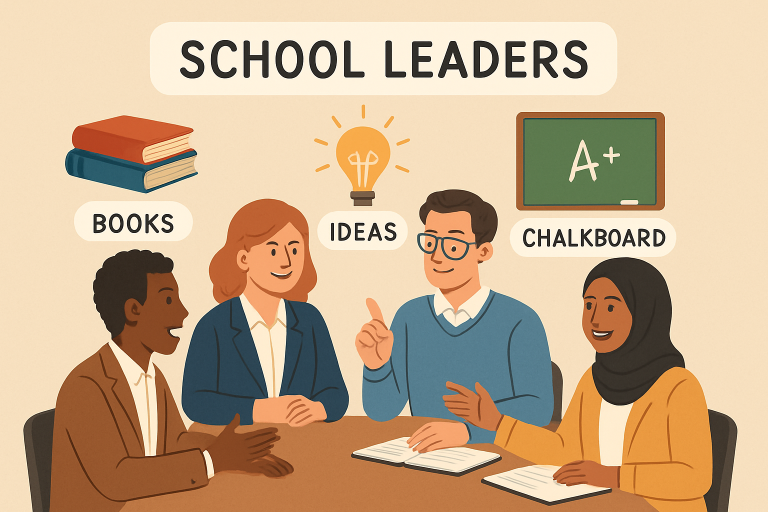
As education systems evolve, the wisdom of experienced leaders is more critical than ever. Whether improving curriculum standards, advancing equity initiatives, or navigating through challenges such as budget crises, these individuals have the acumen needed to secure positive institutional growth. Their insights also speak to the need for holistic solutions that embrace collaboration among all stakeholders.
By fostering open communication and shared purpose, effective leaders create environments where students receive not only academic knowledge but also the skills to succeed in life beyond school. Building on a deep understanding of educational practice, these leaders uphold the ideals of inclusivity, innovation, and student-centered learning.
🎉 Fun & Easy Ways to Celebrate the 50th Day of School with Your Students
🏫 Why Celebrate the 50th Day of School?
Practice counting to 50
Incorporate hands-on math and literacy activities
Encourage classroom community
Make learning feel like a party
🎃 Free Halloween Christian Coloring Pages for Kids: Candy Corn Prayer & Pumpkin Parable
A Year of Lesson Planning for Christian Pre-K
By the time children join us, we hope they’re already comfortable identifying basic shapes and colors. Ideally, they’ll recognize most of their letters by the time we do our quarterly evaluations (yes, we have to do evaluations for 3-year-olds), although this is never a requirement for acceptance. The one thing we do require is that all students be fully potty‑trained and no longer using pull‑ups or diapers during the day.
I’m always happy to answer questions and help families understand what to expect as their little ones join our class!
Values-Based and Educational Books for Children: Summer Reading Picks for Every Home Library
Summer is here, and that means fun in the sun! But it also means plenty of time for reading, and with the right books, your kids will keep learning and combat brain drain over summer vacation.
The summer months are a great time to take your kids to your local library and help them explore books that interest them. However, you’ve probably noticed that not every book is right for every child. Here are some tips to help your kids unearth educational titles that will not only challenge them but draw and keep their attention!
Hoppy Learning Fun: Exploring Froggy Books by Jonathan London with Preschoolers
Whether Froggy is learning to swim, going to school, or trying to sit still during story time, these books are packed with opportunities for discussion, laughter, and fun learning extensions. Let’s explore some of the most popular Froggy books and then hop into some adorable classroom crafts and activities your preschoolers will love.
How to Help Your Struggling Reader This Summer: A Simple, Encouraging Plan for Parents
If your child is like my son — held back in third grade and just wrapping up fourth — and reading feels more like a chore than a joy, you are not alone. Many 4th and 5th grade students are still building the foundational skills they need to be fluent, confident readers. And summer is a perfect time to slow down and focus without the pressure of classroom comparisons.
Let’s walk through a realistic, encouraging, and parent-friendly summer reading curriculum for struggling readers — especially kids around age 10–11.
Why Is My 4th Grader Struggling With Reading?
4 Powerful Solutions To Improve Learning
With that in mind, let’s take a look here at some of the really powerful solutions you might be able to make use of in order to improve learning. If you can take on board these things, you should find that you are able to learn so much more effectively, quickly and thoroughly, and that the benefits of that are going to become clear.
How Professional Development Is Powering the Next Generation of Educators
No longer a periodic requirement, professional development is now the engine driving transformation in teaching practices and empowering educators to meet the demands of the 21st-century classroom.
The next generation of educators is being shaped not just by their academic foundations but by their commitment to growth, adaptability, and lifelong learning. They recognize that staying current with teaching methods, classroom technologies, and student engagement strategies is essential.
This mindset is fueling a wave of positive change across schools and institutions, where innovation and student-centered learning have become central to academic success.
13 Rainy Day Activities for Learning while Having Fun
Children learn from just about anything as they are developing. In the home, you can try some fun and engaging activities, from practicing writing to getting physical with movement games.
Plan the Ultimate “If You Give…” Book Party: Crafts, Snacks & Activities Inspired by Your Child’s Favorite Stories!
Celebrate the Magic of Eric Carle with Crafts, Storytime, & Colorful Party Snacks!
Whether you're a parent planning a themed birthday party or a teacher looking to brighten up your literacy corner, these Eric Carle crafts, books, and party food ideas will bring his stories to life for your little ones.
How to Encourage Your Kids to Embrace Further Education Learning
In order to get your kids excited about and prepared for the prospect of further studies after high school, there are some key strategies you can employ.
DIY Alphabet Book for Preschoolers – A Fun & Easy End-of-Year Gift
Looking for a hands-on way to teach letter recognition while creating a keepsake parents will love? This DIY alphabet book is the perfect preschool letter activity for toddlers and young learners!
Last year, I worked with two-year-olds and made a simple letter book using mostly stickers and paint. Now that I’m teaching three-year-olds, we focus on a new letter each week. To make it easy and organized, I print each letter on cardstock, and the kids decorate them with stickers, paint, and plenty of glue (trust me, you’ll want to stock up!).
How to Make Your Own Alphabet Book:
✅ Let kids decorate with stickers, paint, and glue
✅ Punch holes in each page
✅ Bind the pages together at the end of the year
This letter book project makes learning fun while giving little ones a sense of accomplishment. Plus, it’s a sweet preschool memory book parents will treasure!
👉 [Download Your Free Printable Alphabet Letters Below!]
5 Tips to Help a Child Through a Difficult School Period
One common struggle many kids face is math, so private math tutoring can be a great way to help children who are falling behind or losing confidence. But there’s more to supporting a child than just academic help. Let’s explore five practical tips to help your child navigate a difficult school period with confidence and resilience.
How I Got My Child an IEP in Public School: A Personal Journey
My child didn’t even get their glasses until they were almost five, and I was told they probably couldn’t see properly for most of their life. That’s a whole other story, but all I’ll say is, Mamas, trust your instincts. Don’t let anyone convince you otherwise.
After nearly two years of virtual learning with my child at home, I just knew something wasn’t quite right. It wasn’t that there was something "wrong," but they clearly needed more support. Their brain simply works differently. And I was doing it all by myself even though I was married then.
The bureaucratic hurdles we faced to get them the help they needed were heartbreaking. Navigating the system to get your child the right education means jumping through hoops, wading through endless red tape, and feeling like the system doesn’t always prioritize helping children. I remember their second-grade year—my child’s teacher was overwhelmed by a classroom full of kids who didn’t have reliable support at home or who were acting out. I saw this firsthand since I was the room mom (the only way I could actually get into the school). The teacher didn’t quite see what I was seeing, but she advised me to seek an outside evaluation if I thought something was wrong. My ex of course tried to say that we couldn't afford it, but I reminded him of our health savings account. He then tried to say that we didn't have enough in there so I said I would pay for it with my savings. When we finally got the diagnosis of dysgraphia and ADHD, it was a huge relief to know I wasn’t imagining things. Of course, my ex chimed in with, “Oh, I got to listen in on this,” with a smirk, but hearing that diagnosis from the professional just wiped that smirk right off his face.
From there, my child began their Section 504 plan, but it wasn’t until third grade that we found a teacher who truly understood and helped us navigate the system to get them the real support they needed.
My child was falling behind in a few key areas, and as much as I tried to help at home, I knew they needed more than what was being offered in the classroom. It became clear that I needed to explore more specialized support, which led me on the journey to get them an Individualized Education Plan (IEP).
How to Balance Work and Study While Pursuing an Education Degree Online
One of the biggest concerns for working students is how to stay organized while juggling multiple responsibilities. Without a structured classroom setting, it can be easy to fall behind on coursework. At the same time, work obligations can take priority, making it difficult to focus on assignments. Despite these challenges, many students successfully manage both work and education by implementing the right strategies.
If you are considering an education degree online, whether to advance your career or transition into teaching, it is essential to create a system that works for you. Understanding how to manage time effectively, set priorities, and utilize available resources can help you stay on track. In the following sections, we will explore practical ways to balance work and study efficiently while ensuring long-term success.


.png)


